When exercise is part of your routine, the thought of taking time away can be frustrating. You may be interested in shockwave therapy because pain is already interfering with your workouts, but you may also worry that treatment will leave you unable to stay active.
Often, you can continue exercising after shockwave therapy; however, the intensity of exercise may need to change temporarily. Understanding what is safe after an appointment can help you protect the treated area without putting your entire routine on hold.
Can You Exercise After Shockwave Therapy?
Yes, you can usually exercise after shockwave therapy. However, you should avoid strenuous or high-impact exercise involving the treated area for approximately 24 to 48 hours after your appointment.
What Shockwave Therapy Involves
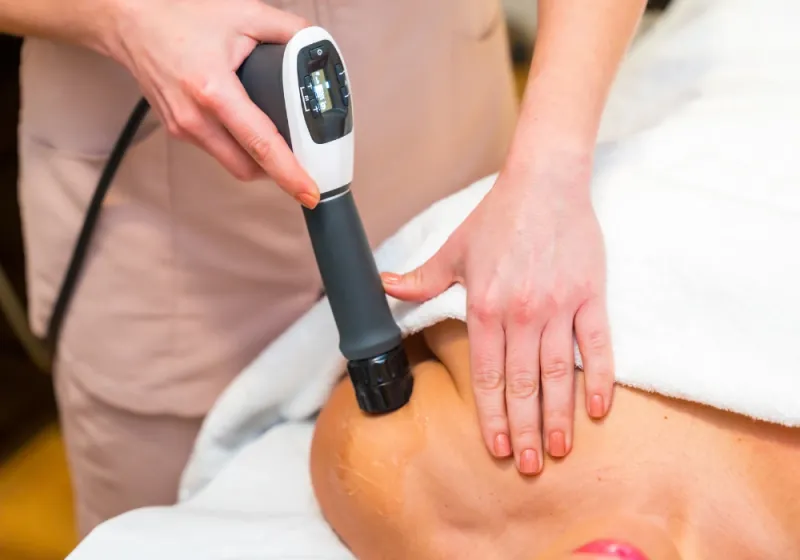
Shockwave therapy is a treatment that uses pressure waves on a targeted area of the body. It is often used for persistent pain involving muscles, tendons and other soft tissues. Since there are no incisions involved, most people can return to work and continue with ordinary daily activities immediately after a session.
Why Exercise Requires Extra Care
Exercise is slightly different because a workout may place considerably more pressure on the area than your usual daily movements. Running, jumping, heavy lifting and fast repetitive exercises can all increase the load on tissue that may already be irritated. For this reason, many patients are advised to avoid high-impact activity for the first 48 hours. This does not necessarily mean complete rest. It means giving the treated area a brief break from the activities that place the most stress on it.
The right level of activity will depend on where you received treatment and why you are receiving it. For example, someone being treated for shoulder pain may still be able to walk, use a stationary bike or complete gentle lower-body exercises. However, pressing weights overhead or completing push-ups may not be appropriate immediately afterward.
Managing Post-Treatment Soreness
You may also notice some temporary soreness after your session. The area can feel slightly more sensitive than usual. This response does not mean something has gone wrong, but it is still a sign that you should be careful about how much stress you place on the area. Even when you feel better immediately after treatment, it is important not to jump straight back into your hardest workout. Feeling less pain does not mean the concern has fully resolved. Shockwave therapy is normally completed as part of a larger treatment process, and improvement may take place gradually. After the first day or two, you may be able to begin increasing your activity again. Your physiotherapist or chiropractor can help you decide when it is appropriate to return to heavier strength training, longer runs, sports practices or other activities.
Safe Exercises Right After an Appointment
The safest exercise after shockwave therapy is movement that does not aggravate the treated area. For many people, this can include light activity or exercises that focus on a different part of the body.
Light Walking and Low-Impact Cardio
A comfortable walk may be suitable when walking does not directly stress the area that was treated. For example, someone who received treatment on their elbow may be able to take a short walk without any difficulty. The pace should remain relaxed rather than becoming a power walk or long-distance walk.
Gentle Mobility Work
Gentle mobility exercises may also be appropriate. These movements should remain slow and controlled, without forcing the body into a painful range. You should not feel as though you need to stretch through discomfort to make the treatment more effective. Aggressive stretching can place additional stress on an already sensitive area. It is still important to think about how each exercise uses the whole body. A movement may appear to focus on an unaffected area but still require support from the injured one. For example, a standing upper-body exercise still places pressure through the feet and legs.
Continuing Prescribed Physiotherapy Exercises
Your prescribed physiotherapy exercises may continue to be part of your routine as well. Shockwave therapy is often combined with a rehabilitation program rather than being used as a replacement for movement and strengthening. The exercises you receive may help improve mobility and rebuild strength. That said, you should follow the exact instructions provided by your registered physiotherapist or chiropractor. Some exercises may be appropriate on the same day as treatment, while others may need to wait. Your plan may also change depending on how sore you feel after each appointment.
What to Avoid in the First 24 to 48 Hours Post-Shockwave Therapy
During the first 24 to 48 hours, avoid exercise that places significant pressure on the treated area. This usually includes heavy resistance training and movements that increase your pain.
High-Impact Activities to Pause
Running and jumping are two common examples. Both create repeated impact through the feet, ankles, knees and hips. Even a short run may be too much immediately after treatment when the lower body was involved. Heavy weight training may also need to be paused or modified. You may be able to reduce the weight, change the exercise or train an unaffected body part.
Listening to Your Body’s Response
You should also avoid any activity that causes sharp pain or leaves the area feeling worse. Mild temporary tenderness may occur after treatment, but exercise should not create an increase in your symptoms. Pay attention to how you feel later that day and the following morning. Sometimes an exercise feels manageable while you are doing it, but the area becomes much more painful several hours later. This may mean that the intensity was too high.
Returning to Your Regular Routine
When you return to your normal routine, do so gradually. Your first workout back does not need to match the distance, weight or speed you were completing before your appointment. Reducing the intensity gives you a chance to see how your body responds. If the area feels comfortable during the activity and does not become significantly worse afterward, you can continue building from there. There is not a set timeline that applies to everyone. Some people can return to most of their routine quickly, while others need more time or more substantial modifications. Your condition, symptoms and overall treatment plan will all influence this decision.
Getting Started With Shockwave Therapy
Shockwave therapy may be considered when pain has continued despite rest, activity changes, or other conservative treatments. However, not every type of pain is treated in the same way. Before beginning shockwave therapy at Amberlea Physiotherapy & Rehab Clinic, you can book a free consultation to discuss your condition, symptoms, and health history. This allows the clinic’s physiotherapist or chiropractor to determine whether shockwave therapy may be appropriate and provide a better idea of how many sessions could be recommended.
Support for Athletes and Active Individuals
For athletes and active individuals, the consultation is also an opportunity to discuss your current exercise routine. This information can help shape a treatment plan that supports your recovery without asking you to stop every form of activity unnecessarily. Shockwave therapy may be offered as a standalone treatment or added to a physiotherapy or chiropractic appointment. Depending on your needs, it may also be combined with strengthening, mobility work, education, and adjustments to your current exercise routine.
What to Share With Your Provider
Before beginning treatment, let the provider know about any medications, health conditions, recent injuries, or changes in your symptoms. You should also ask what type of exercise is appropriate after each session, since recommendations may be different depending on the area being treated.
Final Thoughts
You can usually exercise after shockwave therapy, but you may need to change your routine for the first 24 to 48 hours. Exercises that do not stress the treated area may be fine, while running, jumping, heavy lifting, and other activities should generally wait. Returning to exercise slowly can help you stay active without irritating the area. Most importantly, follow the advice given by your physiotherapist or chiropractor, as your recommended timeline should be based on your condition and response to treatment.
If pain is interfering with your workouts, sport or everyday activities, book an assessment with Amberlea Physiotherapy & Rehab Clinic. A physiotherapist can determine whether shockwave therapy may be suitable for you and help you build a treatment plan around your goals.