
At Amberlea Physiotherapy & Rehab Clinic, Deep Tissue Massage is provided by our Registered Massage Therapists (RMTs) and tailored to your individual needs, comfort level, and treatment goals. Rather than simply applying as much pressure as possible, your RMT assesses the areas contributing to your symptoms and adjusts the depth and technique throughout your treatment.
Whether you’re dealing with muscle tightness from sitting at a desk, soreness after physical activity, or recurring muscular tension, our goal is to provide individualized treatment that helps you move and feel more comfortably.
Book your Deep Tissue Massage appointment with Amberlea Physiotherapy and Rehab Clinic today.
How We Support Deep Tissue Massage
Individualized Assessment and Treatment Planning
Effective application of Deep Tissue Massage begins by understanding what you have been experiencing and what you hope to achieve from treatment. Before beginning Deep Tissue Massage, your RMT will discuss your health history, current symptoms, areas of discomfort, daily activities, exercise habits, and any previous injuries that may be relevant.
Your therapist may also assess movement, muscle tension, tenderness, or other factors that can help determine which areas should be addressed during your session.
Why we assess
This assessment is important because an area that feels painful or tight is not always the only area contributing to the problem. For example, someone experiencing upper-back discomfort after prolonged computer work may also have muscular tension around the shoulders, neck, and chest.
Get a custom treatment plan
Treatment is then customized to your individual needs rather than following the same routine for every patient. Your RMT will also discuss pressure preferences and communicate with you throughout the session to ensure treatment remains appropriate and tolerable.
Targeted Deep Tissue Massage Techniques
Deep Tissue Massage generally uses slower strokes and more focused techniques than a relaxation-oriented massage. Your RMT may gradually work through superficial tissues before applying deeper techniques to areas of muscular tension when appropriate.
Treatment can involve sustained pressure, slower massage strokes, compression, and other manual techniques selected according to the tissues being addressed and your treatment goals.
Importantly, Deep Tissue Massage does not need to be extremely painful to be effective. More pressure is not automatically better. Excessive pressure may cause unnecessary discomfort or irritation, which is why your RMT adjusts treatment according to your tolerance and how your tissues respond.
Your therapist may spend additional time addressing areas that feel particularly tight or restricted while also considering surrounding muscles that may contribute to the way you move or feel.
Throughout the session, communication is encouraged. If the pressure feels too intense, or you would prefer more pressure. It is advised to make proper communication to your therapist who can then adjust the treatment accordingly.
Education and Ongoing Self-Management with Deep Tissue Massage
Deep Tissue Massage can provide valuable hands-on treatment, but managing recurring muscular tension may also involve understanding why symptoms continue to develop.
Depending on your individual needs, your RMT may discuss factors such as prolonged sitting, repetitive movements, physical activity, recovery habits, or other everyday demands that may contribute to muscular tension.
Appropriate stretching, mobility exercises, movement breaks, or other self-management strategies may also be discussed when relevant to your treatment goals.
For physically active patients, Deep Tissue Massage may be coordinated around training, competition, or recovery. For individuals who spend long periods working at a desk or performing repetitive tasks, treatment may focus on both symptom relief and strategies for reducing recurring muscular tension.
The goal is to make Deep Tissue Massage part of a broader approach to maintaining comfortable movement and supporting your physical well-being.
Benefits of Deep Tissue Massage
Reduce Muscle Tension and Stiffness
Persistent muscle tension is one of the most common reasons people seek Deep Tissue Massage. Muscles can feel tight or uncomfortable after repetitive activity, prolonged positioning, strenuous exercise, or periods of increased physical demand.
Deep tissue techniques allow your RMT to spend focused time working with areas of muscular tension. Treatment may help reduce the sensation of tightness and make affected areas feel more comfortable.
This can be particularly useful for people who regularly experience tension around the neck, shoulders, back, hips, or legs.
The amount of pressure used is individualized. Rather than attempting to force a muscle to relax, your therapist gradually works with the tissues and adjusts treatment based on your response.
Improve Comfort and Mobility
Muscular tension and stiffness can sometimes make normal movements feel restricted or uncomfortable. Turning your neck, reaching overhead, bending, exercising, or performing everyday activities may feel more difficult when surrounding muscles are sore or tight.
By addressing muscular tension and soft-tissue restrictions, Deep Tissue Massage may help improve comfort during movement and support mobility.
Compliment other approaches
Deep Tissue Massage can also complement other approaches to physical health. Depending on your needs, it may be incorporated alongside physiotherapy, chiropractic, exercise, or an independent fitness program.
Treatment goals vary between individuals. Some patients seek Deep Tissue Massage because of a particular area of discomfort, while others use it periodically to manage muscular tension associated with work, training, or daily activity.
Support Exercise and Physical Recovery
Exercise places temporary physical stress on muscles and connective tissues. Following challenging workouts, sports, or periods of increased activity, it is common to experience muscle soreness, fatigue, or stiffness.
Deep Tissue Massage may help athletes and recreationally active individuals manage muscular tension and feel more comfortable during recovery.
Your RMT can tailor treatment according to your activity level and timing. A massage session immediately before an important competition, for example, may require a different approach than a recovery-focused treatment following a demanding training period.
Deep Tissue Massage does not replace appropriate rest, nutrition, sleep, rehabilitation, or progressive exercise. Instead, it can be used as one component of an overall approach to recovery and physical maintenance.
Deep Tissue Massage Conditions We Can Support
Neck and Shoulder Tension
The neck and shoulders are common areas for muscular tension, particularly among people who spend significant time working at computers, driving, using mobile devices, or performing repetitive upper-body activities.
Deep Tissue Massage can focus on muscles around the neck, shoulders, and upper back to help reduce tightness and improve comfort.
Your RMT may also consider surrounding areas rather than treating only the location where you feel symptoms. Treatment is adapted according to your comfort and whether other healthcare assessment may be appropriate.
Back Muscle Tightness
Muscular tension in the upper, middle, or lower back can develop following physical activity, prolonged sitting or standing, repetitive work, or changes in normal activity levels.
Deep tissue techniques may be used to address tight or uncomfortable muscles throughout the back and surrounding regions.
Because back pain can have many causes, Deep Tissue Massage is not appropriate for every presentation. Your therapist will review your symptoms and may recommend medical or physiotherapy assessment when the nature of your symptoms suggests additional evaluation is needed.
Exercise-Related Muscle Soreness and Tightness
Training, recreational sports, running, weightlifting, and other forms of exercise can leave muscles feeling tired, tight, or sore.
Deep Tissue Massage can be customized to address areas placed under greater demand during your activities. Depending on your sport or exercise routine, treatment may focus on the legs, hips, back, shoulders, or other muscle groups.
For active individuals, Deep Tissue Massage can be incorporated into an overall recovery strategy alongside appropriate rest and progressive training.
Hip and Leg Muscle Tension
Muscles around the hips, thighs, and lower legs can become tight following running, cycling, strength training, prolonged sitting, or repetitive physical activity.
Your RMT may use targeted massage techniques to address muscular tension around the hips, gluteal region, quadriceps, hamstrings, calves, and other appropriate areas.
Treatment can be particularly useful for patients who notice muscular tightness interfering with comfortable movement or recovery from activity.
Work-Related Muscular Tension
Physical work and desk-based work can both contribute to muscular tension, although they often affect the body differently.
People who sit for extended periods may notice tension through the neck, shoulders, back, or hips. Those performing physically demanding or repetitive work may experience muscular fatigue and tightness in the areas they use most frequently.
Deep Tissue Massage can be tailored to these patterns while your RMT may also provide guidance on movement, activity, and self-management strategies that complement treatment.
Persistent Muscular Tension
Some people experience recurring areas of muscle tightness even without a specific injury. Symptoms may fluctuate depending on workload, exercise, sleep, stress, and daily activity.
Deep Tissue Massage can provide focused treatment to these areas while helping identify patterns that may contribute to recurring tension.
When pain is unexplained, worsening, associated with neurological symptoms, or does not respond as expected, your RMT may recommend assessment by another appropriate healthcare professional rather than continuing to treat the symptoms with massage alone.
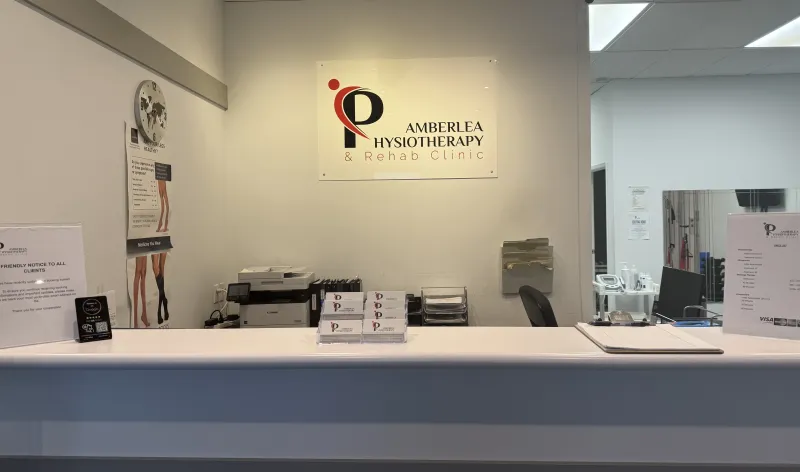
Deep Tissue Massage in Pickering
If muscle tension, stiffness, or exercise-related soreness is affecting your comfort or daily activities, Deep Tissue Massage at Amberlea Physiotherapy & Rehab Clinic may be an appropriate addition to your care.
Our Registered Massage Therapists provide individualized treatment based on your symptoms, goals, activity level, and preferred pressure. Whether you’re looking to address a particular area of muscular tension or incorporate massage into your ongoing wellness and recovery routine, we will tailor your treatment to your needs.
Book an appointment with Amberlea Physiotherapy and Rehab Clinic with our Registered Massage Therapists in Pickering.
Ready to Start Your Recovery?
Book your FREE 15-minute consultation with our Pickering physiotherapy team today.
Book Your Free ConsultationOr call us at (905) 492-5588