What Is an RMT Massage and How Does It Work?
If you are looking into massage therapy in Ontario, you have probably come across the term RMT. It is often mentioned in clinic websites and insurance forms, but the difference is not always clear. An RMT massage is provided by a Registered Massage Therapist and is considered a regulated health service, not just a spa treatment.
At Amberlea Physiotherapy & Rehab Clinic in Pickering, RMT massage therapy is part of a broader approach to helping clients manage muscle tension, mobility concerns, and everyday physical strain.
Table of Contents
- What is an RMT?
- What is an RMT Massage?
- How Does an RMT Massage Work?
- Common Conditions Treated With an RMT Massage
- Benefits of an RMT Massage
- What to Expect at Your First RMT Massage
- Referrals and Insurance Coverage in Ontario
- Does OHIP Cover RMT Massages in Ontario?
- Is an RMT Massage Right for You?
- Final Thoughts
What Is an RMT?
An RMT is a Registered Massage Therapist. In Ontario, this is not just a title anyone can use. A Registered Massage Therapist completes formal training, passes licensing exams, and is approved to practice under provincial regulations. Their education includes understanding how muscles, joints, and soft tissues function, and how to assess areas that feel tight, restricted, or irritated. Massage therapy is regulated in a similar way to other healthcare professions, so there are standards in place that guide how treatment is delivered and how therapists practice. At Amberlea, massage therapy is provided exclusively by Registered Massage Therapists who are licensed to practice in Ontario.
What Does “Registered” Mean in Ontario?
The “registered” designation means the therapist is regulated by the College of Massage Therapists of Ontario (CMTO). To become registered, an RMT must graduate from an accredited massage therapy program, complete extensive clinical training hours, pass provincial licensing examinations, maintain ongoing continuing education, and follow strict standards of practice and ethics. If someone is offering massage services but is not registered with the CMTO, they cannot call themselves an RMT. Being registered also means patients have protection. There are formal complaint processes, professional standards, and regulatory oversight. For many people, this adds an important layer of reassurance.
Recommended Resource: How Many Physio Sessions Do I Need? [Answered]
What Is an RMT Massage?
An RMT massage is therapeutic massage therapy delivered by a Registered Massage Therapist for a clinical purpose. While relaxation can absolutely be part of the experience, the intent of an RMT massage is typically more targeted. It may focus on:
- Muscle tension and tightness
- Injury recovery
- Chronic pain
- Postural strain
- Mobility limitations
What sets an RMT massage apart from a typical spa massage is its purpose. An RMT is usually working toward a specific goal, not just relaxation. The session is based on what you are dealing with, whether that is neck tension from sitting at a desk, lower back discomfort, a recent strain, or stress that is showing up in your shoulders.
How Does an RMT Massage Work?
Each session is based on the person in front of the therapist. Before anything begins, there is typically a discussion about your concerns and your goals. At your first appointment, the therapist will review your health history and ask about your current symptoms, past injuries, daily activities, and any relevant medical conditions or medications. The goal is to understand your body before jumping into treatment. The therapist might watch how you sit or stand, ask you to move in certain directions, or check where things feel tight. That information helps shape what happens next, so the session actually targets what is bothering you. At Amberlea, this initial conversation helps ensure treatment reflects what brought you in, rather than following a preset routine.
From there, the RMT develops a treatment plan based on the discussion and observations. Treatment is always shaped around your goals. If you are dealing with specific areas of tension, the session may be more targeted. Other times, it may focus on easing overall tightness or helping you relax through slower, moderate pressure and stretching. The approach is flexible and changes depending on how your body responds. Treatment is adaptable, meaning it can evolve as your symptoms improve or your needs change. What works during one stage of recovery may look different later on.
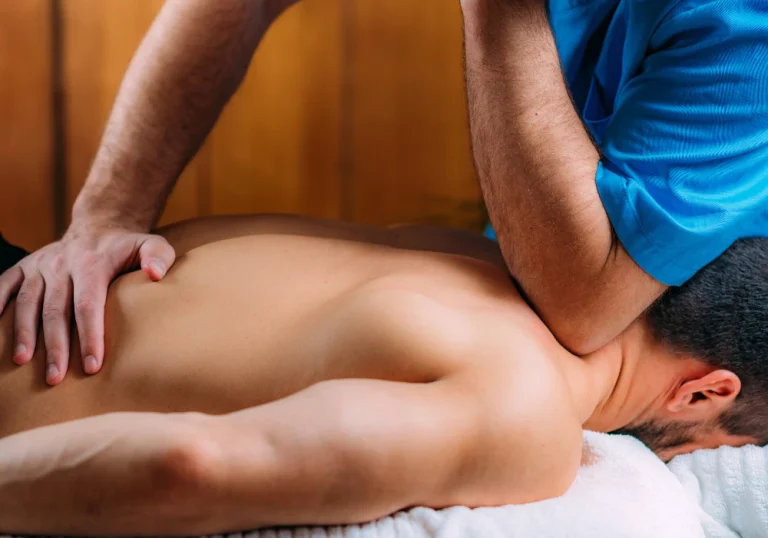
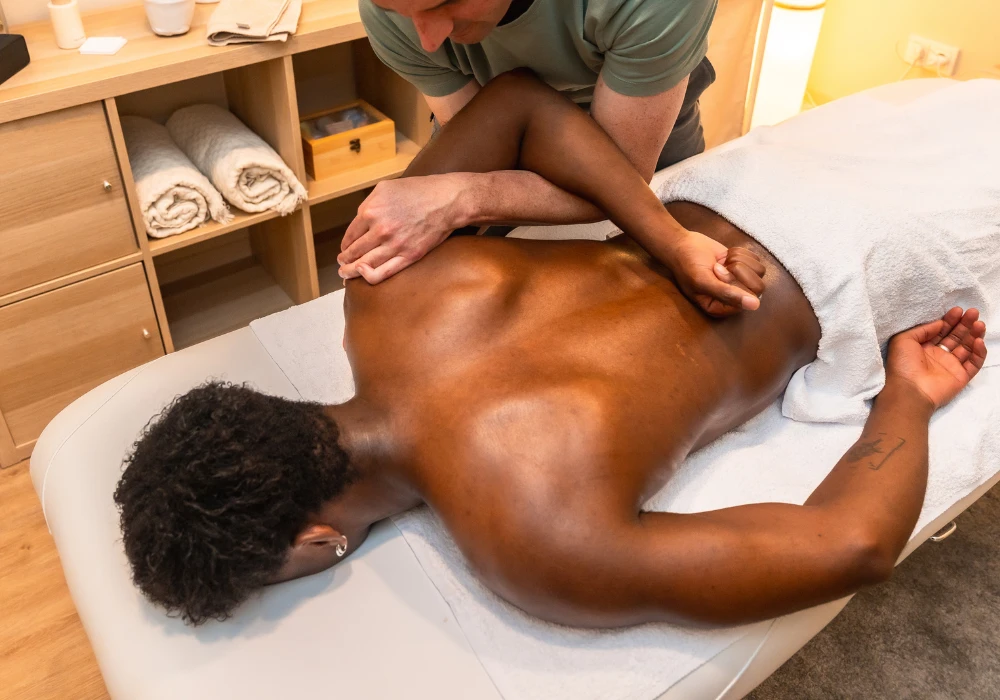
During the hands-on portion of the session, the therapist applies manual techniques directly to the muscles and surrounding soft tissues. Pressure is always adjustable, and communication throughout the appointment is encouraged. If something feels too intense or not effective enough, you can say so. You remain in control of your comfort and positioning at all times. A professional RMT will check in as needed to ensure the treatment remains appropriate and respectful.
Massage therapy usually is not a one-and-done thing. If something is really bothering you, your therapist might suggest coming back a few times fairly close together to help calm it down. If it is more about general tightness or keeping things manageable, you might only come in once in a while. It also often works alongside other things you are doing, like physio exercises or small changes to how you sit or move during the day. The point is not just to feel better for a few hours after the appointment, but to actually support how your body handles day-to-day life.
Common Conditions Treated With an RMT Massage
At Amberlea, clients often book RMT massage therapy for concerns such as neck and shoulder tension, lower back discomfort, headache-related muscle tightness, sports-related strain, repetitive desk work tension, postural discomfort, or limited mobility. It is important to note that RMTs do not diagnose medical conditions. However, they can assess soft tissue function and provide therapeutic care within their scope of practice.
Benefits of an RMT Massage
There is a myriad of benefits that come from an RMT massage. People usually book massage therapy because something feels tight, sore, or stiff. Working directly on those areas can help them feel less restricted. When muscles are not as tight, it is often easier to move more comfortably. Even when the focus is more clinical, sessions can still promote relaxation, which may help reduce stress that builds up physically in the body. For those recovering from physical strain, massage therapy can be part of the process of supporting the body as it heals. Over time, many people also become more aware of their posture and tension patterns, which can make it easier to notice and adjust habits that contribute to discomfort in the first place. For many clients at Amberlea, these changes show up in practical ways, like moving more comfortably during the workday or feeling less tension at the end of the week.
Recommended Resource: What to Wear to Your Physiotherapy Appointment [Guide for New Patients]
What to Expect at Your First RMT Massage
If this is your first RMT appointment, you might not know what to expect. It usually starts with filling out a health history form so the therapist has a clear picture of your background. After reviewing this information, the RMT will talk with you about what is bothering you and explain how they plan to approach the session.
Before we begin
You will always be asked for informed consent before treatment begins, and you are encouraged to ask questions at any point. When it is time for treatment, the therapist will explain how to position yourself on the table and step out to give you privacy.
The session
Professional draping is always used, meaning only the area being worked on is uncovered. Most sessions run between 30 and 60 minutes. You can speak up at any point if you want pressure adjusted or need to reposition.
Once the appointment is done
Once the appointment is finished, the therapist may offer a few practical suggestions, such as light stretching or small posture adjustments, depending on what was worked on. Some people notice mild soreness after deeper work, but this usually settles within a day or two.
Referrals and Insurance Coverage in Ontario
In Ontario, you do not need a doctor’s referral to book an RMT massage. However, some extended health insurance plans may require a referral for reimbursement. It is always a good idea to check with your provider before your appointment if coverage is important to you.
Most workplace extended health benefit plans include massage therapy coverage under paramedical services. Coverage amounts and annual limits vary. Amberlea provides official receipts with the RMT’s registration number for direct insurance submission.
Does OHIP Cover RMT Massages in Ontario?
Massage therapy is not covered under the Ontario Health Insurance Plan, OHIP. While OHIP pays for medically necessary visits to physicians and hospital services, massage therapy is considered a private healthcare service in Ontario. This means appointments can be paid out of pocket or reimbursed in part or in full through extended health benefit plans, depending on your coverage. In some cases, massage therapy may also be included under motor vehicle accident claims or workplace injury claims, if you qualify.
Is an RMT Massage Right for You?
An RMT massage may be worth considering if you are dealing with muscle tension, stiffness, or discomfort related to posture or long hours at a desk. It can also be helpful for people recovering from physical strain or those simply looking to support better movement and mobility. Many individuals choose massage therapy because they prefer a hands-on approach to managing how their body feels day to day. That said, there are situations where massage may not be appropriate.
If you are experiencing unexplained symptoms, a recent acute injury, an infection, or certain medical conditions, it is important to speak with a healthcare professional first. An RMT will also review your health history, screen for any contraindications, and refer you to another provider if your needs fall outside their area of practice. If you are unsure whether massage therapy is appropriate for your situation, the team at Amberlea can help you determine the most suitable next step.
Final Thoughts
RMT massage therapy in Ontario is delivered by regulated healthcare professionals and is designed to support muscle function, mobility, and overall physical comfort. It is more than relaxation. It is a form of care designed to support muscle health, mobility, and overall physical well-being. If you are considering massage therapy and want to feel informed before booking, asking questions and choosing a registered provider is the best place to start.
At Amberlea Physiotherapy & Rehab Clinic in Pickering, massage therapy is delivered by licensed RMTs who work collaboratively within a broader healthcare team. If you are unsure whether massage therapy is right for you, our team can help guide you toward the most appropriate next step.
If you’re in the Pickering area and ready to take control of your health, our team of expert RMTs is here to help you achieve your goals.