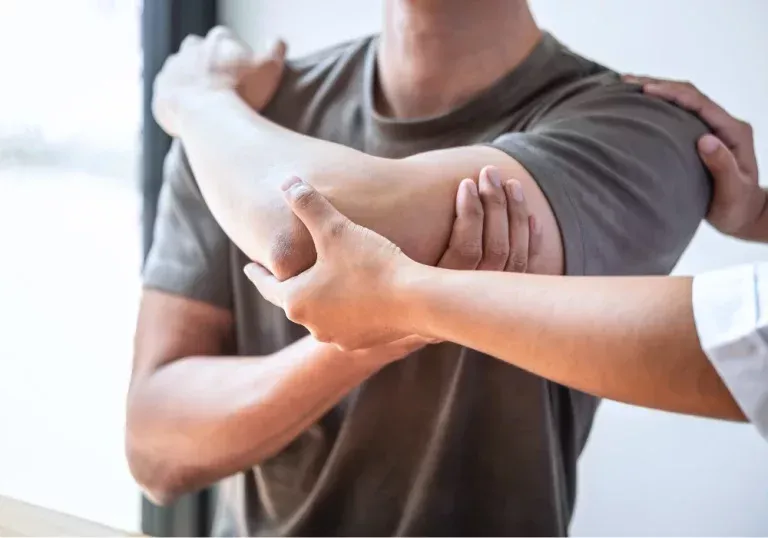
After suffering from an injury and making a trip to the local Pickering physiotherapy clinic, we often come across the question of how many physiotherapy sessions would I need to recover?
There is without a doubt that our health is the most important thing to us. Heading back to sports, accomplishing activities that we enjoy, as well as allowing us to live our lives to the fullest.
In this regard, we hope to deliver some insight on recovery for financial budgeting purposes. Given a proper understanding of various factors discussed below, we can gain a better insight on the number of sessions needed to optimize our recovery.
Key Summary
Mild Injuries (2-6 sessions)
- Muscle strains and sprains.
- Runner’s knee.
- Minor soft tissue injuries.
Moderate Injuries (6-12 sessions)
- Persistent back pain.
- Tendinopathy.
- Recurring or stubborn conditions.
Severe/Complex Injuries (12+ sessions)
- Severe muscle tears.
- Joint dislocations.
- Fractures.
- Post-operative rehabilitation (rotator cuff repair, ACL reconstruction).
- May require ongoing maintenance care.
Factors that Determine Your Physio Treatment Length
When it comes to our health and recovery, there is never the same roadmap since we differ as individuals with various backgrounds and histories. With that said, treatment duration hinges on the type of injury sustained.
Acute vs Chronic Injury
The severity of the symptom at onset plays an important role in determining the length of time recovery is needed. Normally there are two main types of injuries separated into acute injury vs chronic injury. An acute injury pertains to an injury that are new and with recent onset of pain and discomfort.
For those conditions, treatment might require more frequent initial follow up sessions, which will then be reduced in visits gradually over time. Whereas, with a chronic injury condition, it might require consistent physiotherapy sessions over an extended length of time.
Acute injuries require quick management and can be resolved in a shorter term. Meanwhile chronic injuries require a long term management approach to gradually make changes over time.
Capacity for Healing
Healing capacity can also affect the number of physiotherapy sessions required. The rate of healing varies by individual and it is governed by many factors. These factors may include age, overall circulation, nutritional status, hormonal balance and a healthy immune system. Given these factors may help boost cell regeneration and contribute to recovery of our body.
Each individual can also differ in various lifestyle affecting these healing factors. The amount of rest or sleep that someone gets can help accelerate tissue repair. Proper hydration and diet will help with ensuring better circulation and overall nutritional status.
Stress management is also important as high levels of cortisol from stress impairs the healing process. The effects of smoking and excessive use of alcohol will both cause a reduction of blood flow and oxygen delivery to tissues for repair. Lastly overall levels of physical activities could promote better circulation for improving healing capacity.
Compliance to treatment
Physiotherapy treatment compliance and adherence to home exercises given are both major factor as well. There are many studies that have shown the importance of following exercise protocol to reduce length of hospital stays after musculoskeletal surgeries.
A proper following of physiotherapy treatment protocols can help streamline recovery, and avoid any gaps or delays in healing. Overall, it helps us move forward towards our goals of recovery.
Complexity of the injury
A sophisticated injury might often require more physiotherapy treatment sessions, versus a simple straight forward injury that could be resolved quickly. There are many instances where an injury can be complicated. Complexity can be derived from having multiple injuries at the same time.
For example with larger forms of trauma such as motor vehicle accidents, we might undergo several impacts resulting in trauma to various location of our body. Complexity can also stem from prior medical history and having any other prior injuries.
A re-injury to a body part can have consequence on the healing time frame and the required number of physiotherapy sessions. Also, medical conditions such as diabetes can have an impact on the delay of healing.
Lastly, the type of injury sustained can create complexity. For example, there are various levels of grading for a muscle tear, with each expecting different timelines of recovery. Furthermore, having surgical interventions due to an injury can create large impacts on the timeline of recovery.
📖 Recommended Read: RMT Massage Benefits for Short-Term & Long-Term Health
Goals of treatment
Lastly, given how each individuals can differ in biological factors, the desired end goal of physiotherapy treatment can also differ between individuals. For example, elite athletes might have goals of returning to highly competitive sports after proper sports rehab and physiotherapy. This often requires a longer recovery plan to achieve higher levels of movement and strength.
Meanwhile, the less active population might just want to achieve basic pain relieve and return to normal daily activities. Generally speaking, the more challenging the goals are, the much greater effort required and more devotion to higher number of physiotherapy treatments.
Typical session ranges by common conditions
As with different types of injuries calling for various length of treatment, here are some typical guidelines for sessions required for simple and straight forward injuries. For mild muscle strain and sprains (like runners knee), this could typically take up to 2 – 6 sessions for proper care. For moderate types of injuries including persistent back pain or tendinopathies. These issues normally requires at least 6 – 12 sessions.
Lastly, with severe tears, joint dislocations, fractures or specific post-operative cases ( Rotator cuff, ACL surgeries). These type of complex cases could require 12+ sessions as well as potential ongoing maintenance.
📖 Recommended Read: What is Tendonitis?
What to expect session by session
Having great outcome almost always stem from a detailed initial comprehensive assessment. A detailed analysis can provide the insight of a detailed physiotherapy treatment plan. The physiotherapy treatment plan allows for better understanding of how many sessions you would need and the expectation of each session.
Acute management phase
A typical rehab phase to injuries usually starts from an acute management phase, to a sub-acute phase/progressive rehab phase and finally a maintenance phase. The acute phase focuses on early intervention, and to achieve a quick reduction in pain and inflammation.
The main goals of physio sessions is to strive for pain relieve, management of swelling and early mobilization of muscle and joints. Normally, we would see less of the sharp pain that we first experience as well as noting improvement in range of motion.
Sub-acute/progressive rehab phase
The sub-acute/progressive rehab phase for physiotherapist is meant to focus on tissue recovery. This is where we encourage muscle development, scar tissue management and proper re-training of muscles for specific activities.
Maintenance phase
Lastly, the maintenance phase is to further solidify gains that we had made and turn them into management strategies to foster independence. This phase of physiotherapy treatment is as important as the first phase. This is because that going through this last phase helps us in preventing future relapses and re-injuries.
Maximizing your results
Given many factors that determines our length of recovery, it would seem challenging to find ways that could optimize our results. Somehow we might feel that there is almost no control over some the factors listed above for improving recovery.
However, there is one that we have 100% control over, and it is an important one to focus on. This key factor is our compliance and consistency with our home exercise program given by the physiotherapist.
Home Exercise
Home exercise programs are treatment tools routinely prescribed by physiotherapist as part of our treatment plan. The use of home exercises are supplemental to the sessions attended at the physiotherapy clinic.
On each session, the physiotherapist performs an analysis of your deficit and designs proper exercises appropriate to the timing and level of your recovery. Home exercise programs are specific to you, to your injury and to the specific phase of your recovery in terms of your injury.
In short, there is no one exercise or one stretch that can cure you of your symptoms. Proper recovery requires progressive exercises and adoption of a routine of exercises tailor made to your condition.
Finally, when we adhere and comply to these protocols, we can prevent delays in recovery and progress smoothly towards our goals.
📖 Recommended Read: Winter tips: A word on Slip and Falls
Getting your Personalized Assessment Done
As we had explored some of the biological factors and psychological factors that affects the length of physiotherapy treatment sessions. It is most important that we first seek a proper personalized assessment for your injury.
We should take into account of all these factors prior to initiating any treatment and adaptation of any management strategies. Given attention to details of how your injury happened, your end goals, and your medical history. We can tie into a comprehensive treatment plan that allows us to optimize and maximize your recovery. We want to get back to what we love to do without hinging on the fact that pain will return at some point.
Once we fully understand the purpose of treatment through its various phases, we can take matters back into our own hands and achieve proper recovery.
At Amberlea Physiotherapy and Rehab clinic, we provide free consultation such that you can ask questions about your condition and the process of physiotherapy. Optimal results starts with knowing where you stand and where you want to be.
![Tech Neck Humps [How To Fix & Treat]](/images/blog/tech-neck-800w.webp?v=1903e6fb)

![Can you exercise after shockwave therapy? [Answered]](/images/blog/shockwave-therapy-1-800w.webp?v=a088e176)