RMT vs Non-RMT Massage: What’s the Difference in Ontario?
If you are researching registered massage therapy options near you, you have probably seen the terms RMT massage and non-RMT massage and wondered what the real difference is. On the surface, both involve hands-on treatment, and both may help you feel better.
However, the distinction is not minor. It affects regulation, education standards, insurance coverage, documentation, and the overall purpose of care. This article will explain what an RMT is, what an RMT massage involves in Ontario, what non-RMT massage typically refers to, and how to decide which option makes sense for you.
What is an RMT?
RMT stands for Registered Massage Therapist. In Ontario, this is a regulated healthcare designation. The title is protected by law, which means only individuals who meet provincial standards can legally call themselves an RMT. In Ontario, RMTs are overseen by the College of Massage Therapists of Ontario, which means there is a provincial body making sure therapists meet proper education standards, pass licensing exams, and continue meeting professional expectations throughout their careers.
To become an RMT, someone has to complete a long diploma program and then pass board exams before they can officially register. It’s a serious amount of schooling, not a short course. Being registered also means they’re held to certain standards once they start practicing. RMTs also have to carry insurance, keep proper treatment notes, follow health and safety standards, and continue their education over time. If a problem ever comes up, there is an official process in place to review concerns and protect patients.
This healthcare framework is one of the most important differences between RMT and non-RMT massage services in Ontario. At Amberlea Physiotherapy & Rehab Clinic in Pickering, massage therapy is provided exclusively by Registered Massage Therapists who meet these provincial requirements.
📖 Recommended Read: RMT Massage Benefits for Short-Term & Long-Term Health
What is an RMT Massage in Ontario?
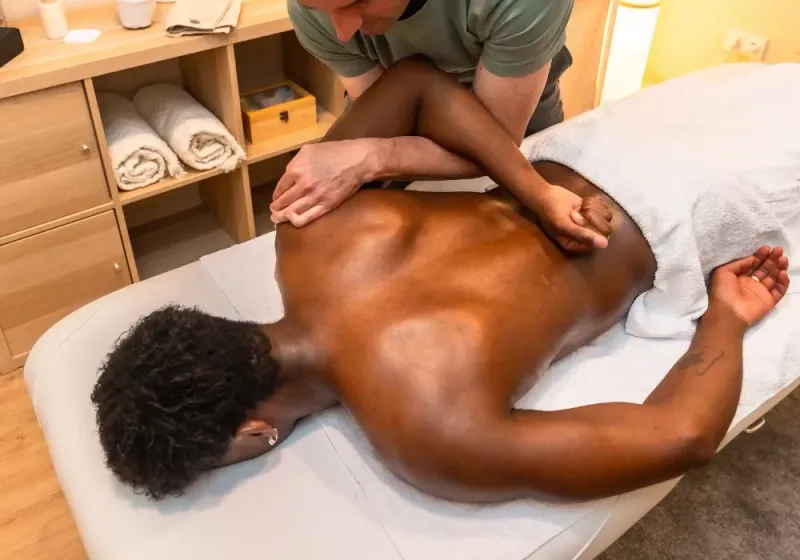
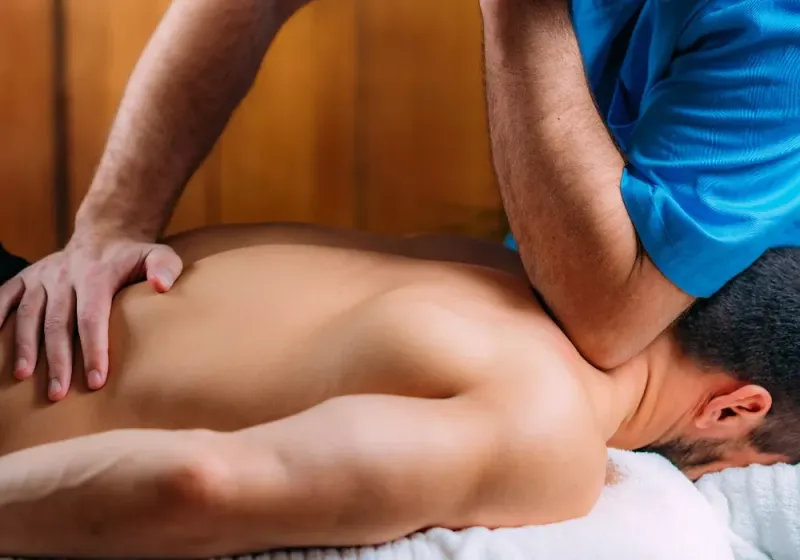
An RMT massage in Ontario is considered a therapeutic healthcare service. While relaxation may certainly occur during treatment, the foundation of RMT care is assessment-based and goal-oriented. Most sessions start with a quick chat. You will talk about where it hurts, what happened, or if anything makes it worse. Sometimes they’ll check how something moves before getting into the treatment. This step helps determine the root of the issue rather than simply addressing surface discomfort. RMT massage is often used to support recovery from muscle strain, repetitive stress injuries, chronic neck or back discomfort, headaches, sports injuries, and postural tension related to desk work. Treatment techniques are selected based on clinical reasoning. Some treatments might feel deeper and more focused, while others are lighter. It really depends on what you need and what feels okay for your body.
At Amberlea, massage therapy is often part of a bigger treatment plan. For example, someone recovering from a car accident might be doing physio and massage at the same time to help them move more comfortably again. Progress is documented and reassessed over time, which is consistent with the regulated healthcare model under which RMTs practice. The defining feature of RMT massage in Ontario is that it is delivered within a structured clinical framework, guided by professional standards and therapeutic intent.
What is a Non-RMT Massage in Ontario?
Non-RMT massage in Ontario generally refers to massage services provided by individuals who are not registered with the College of Massage Therapists of Ontario. You will usually find non-RMT massage in spa settings or smaller wellness spaces. Most of the time, it’s about relaxing and taking a break from a busy week. It can feel great, but it isn’t part of the regulated healthcare system in Ontario. Training backgrounds among non-RMT providers can vary significantly. Some may have completed short private certification programs, while others may have different forms of wellness training.
However, there is no standardized provincial licensing process governing who can provide non-RMT massage services. There is also no regulatory college overseeing the scope of practice or professional accountability in the same way that exists for RMTs. Understanding this distinction does not mean one option is automatically better than the other. It simply clarifies that non-RMT massage operates outside of Ontario’s regulated healthcare system.
RMT vs Non-RMT Massages: Key Differences in Ontario
While both services involve hands-on techniques, the differences between RMT and non-RMT massage become clearer when you look at regulation, education, treatment approach, cost, and insurance coverage.
How RMT and Non-RMT Massages Are Regulated
In Ontario, RMTs are part of the healthcare system. There are provincial rules they have to follow, and there’s an official college that oversees their work. That structure is there to make sure patients are protected. Non-RMT massage providers are not regulated under the same provincial healthcare legislation. There is no centralized oversight body ensuring consistent training or practice standards. For some people, knowing there’s oversight just feels more comfortable, especially if they’re dealing with an injury or something that’s been bothering them for a while. At Amberlea, working within that system simply means clients know what they’re getting.
Education and Training Requirements
Becoming an RMT in Ontario takes time. It involves completing a long diploma program with classroom learning and hands-on training in a clinical setting. After that, there are board exams to pass before someone can officially register. It’s not a quick course or weekend certification. Non-RMT massage providers, on the other hand, can have very different training backgrounds. Some may have taken shorter programs focused mainly on relaxation massage. There is not one set standard across the province for that type of training. Because of that, the depth of education isn’t always the same. That can affect how someone approaches treatment, especially if the concern goes beyond general muscle tension.
How Treatments Differ
With an RMT, the session usually has a bit more structure behind it. The therapist is not just massaging, they’re thinking about what’s going on and adjusting as you go. If your shoulder has been bothering you for weeks, for example, they’ll pay attention to how it’s moving and change their approach if something isn’t improving. Non-RMT massage is usually more about helping you relax and unwind. It can still feel great and ease tension, but it’s not typically set up as treatment for an ongoing injury. The focus is more on the experience and comfort rather than tracking progress over time. At Amberlea, RMT treatments are individualized and often coordinated with other rehabilitation services when appropriate, which reflects the clinical nature of regulated massage therapy.
Cost Differences
RMT appointments usually cost more. That’s because becoming an RMT takes a lot more time and schooling, and they have ongoing requirements to keep their license. Those extra steps are part of why the price is higher. Non-RMT massage services are often less expensive. Since they are not regulated in the same way, there aren’t the same licensing requirements or professional fees behind the scenes. For some people, the lower price just makes more sense, especially if they’re only looking to relax. Insurance is another thing to think about. In Ontario, most workplace benefit plans will cover massage if it’s done by an RMT. Non-RMT massage usually isn’t covered. So even though an RMT session costs more upfront, insurance can change what you actually end up paying. So while the upfront price of an RMT session may be higher, what you actually pay after insurance can look very different.
Insurance Coverage and Reimbursement
One of the most practical differences for Ontario residents is insurance coverage. Most extended health benefit plans in Ontario reimburse massage therapy provided by a Registered Massage Therapist. After treatment, clients receive an official receipt that includes the therapist’s registration number, which can be submitted to insurance providers. Non-RMT massage services are generally not eligible for reimbursement under extended health benefit plans. For individuals who rely on workplace benefits, this distinction can significantly affect overall cost. At Amberlea, clients are provided with proper documentation for insurance submission, and many are able to claim part or all of their RMT treatment through their extended health coverage.
When an RMT Massage May Be Right for You
An RMT massage may be appropriate if you are managing an injury, experiencing ongoing pain, recovering from surgery, or requiring documentation for insurance purposes. You might go with an RMT if you want someone who pays attention to how things are improving, not just how they feel that day. At Amberlea, massage is often part of the bigger picture, especially if someone is already doing physio or working through an injury. It’s more about long-term improvement than just one relaxing session.
When a Non-RMT Massage May Be Right for You
A non-RMT massage might make sense if you’re mostly just looking to relax. If you’re booking something more spa-style and insurance doesn’t matter to you, that could be the right fit. It really just comes down to what you want out of the appointment.
Final Thoughts
RMT and non-RMT massage services both exist in Ontario, but they operate within very different frameworks. An RMT works within the healthcare system, and their services are typically covered by insurance plans. Non-RMT massage is usually more about relaxing and doesn’t fall under those same rules. Once you understand the difference, it’s easier to choose what fits your situation. If you are unsure which option is right for you, speaking with a healthcare clinic such as Amberlea Physiotherapy & Rehab Clinic in Pickering can help clarify the best path forward based on your individual situation.
If you’re in the Pickering area and ready to take control of your health, our team of expert RMTs is here to help you achieve your goals. Contact Us Today to book your free 15 minute consultation.