
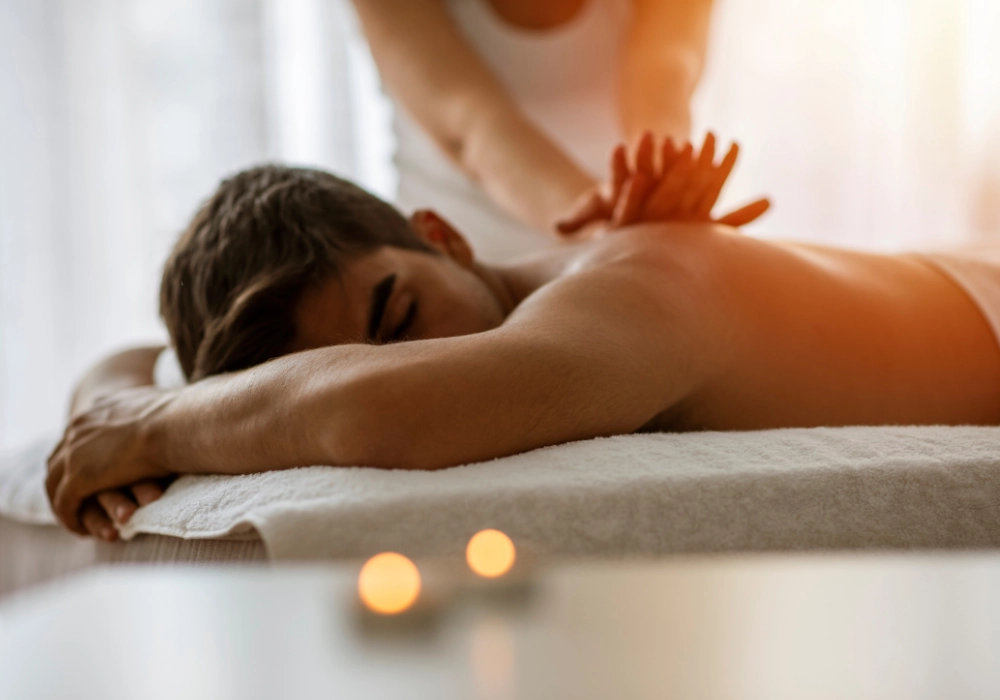
Is It Normal to Be Sore After an RMT Massage?
Getting an RMT massage is supposed to help you feel better, so it can be a little confusing to wake up sore later.
A lot of people expect to walk out feeling completely loose and pain-free, and while that does happen sometimes, mild soreness after a massage is actually pretty common. It can feel a bit like the soreness you get after a workout, especially if the massage worked on areas that were really tight.
That kind of soreness is usually normal and does not always mean anything went wrong. It just helps to know why it happens, how long it may last, and when it is worth checking in with your massage therapist.
If you have ever wondered whether post-massage soreness is normal, here is what Ontario patients should know.
Table of Contents
- Is It Normal to Be Sore After a Massage?
- Why Does Massage Leave You Feeling Sore?
- Which Types of Massage Are Most Likely to Cause Soreness?
- How Long Should Soreness Last After a Massage?
- 7 Tips to Feel Better After a Massage
- When Soreness Is Not Normal, Red Flags to Watch For
- What Ontario Patients Should Know Before Their Next Massage
- Final Thoughts
Is It Normal to Be Sore After a Massage?
Yes, mild soreness after a massage is normal for many people. It is especially common after deeper work, your first massage in a while, or a session that focused on particularly tight muscles. It might just feel like a dull ache after, or like certain spots are more tender than usual. Some people only notice it in one area, like their neck, shoulders, or lower back, while others feel a bit sore all over.
Not everyone feels sore afterward, but it is common enough that it should not worry you. What matters most is the type of soreness. A worked on, mildly tender feeling is usually one thing. Severe pain, swelling, or discomfort that gets worse instead of better is different, and that is where more caution comes in.
Recommended Resource: Can You Work Out After a Massage? Timing & Recovery
Soreness Does Not Mean the Massage Was More Effective
A lot of people still believe that more pressure means a better massage. That is not always true. Soreness after a massage does not prove that the treatment was more effective, and it definitely does not mean that pain equals progress. Sometimes a lighter, more targeted treatment can be exactly what the body needs.
Other times, deeper pressure is appropriate, but only when it makes sense for the person, the issue being treated, and the body’s response. More is not automatically better. This is something RMTs pay attention to.
At Amberlea, the goal is not to make people leave feeling beaten up. The goal is to help reduce tension, improve comfort, and support recovery in ways that match what the patient actually needs.
Some people do well with deeper work, while others benefit more from a gentler approach. The best treatment is the one that fits the body in front of the therapist, not the one that just feels the most intense.
Why Does Massage Leave You Feeling Sore?
There are a few reasons why massage can leave you sore afterward, and most of them are pretty straightforward. First, massage involves hands-on pressure and movement through muscles and other soft tissues. If an area has been tight for a long time, working through it can create temporary tenderness.
Think of it like your body reacting to focused attention in a place that has been holding stress, tension, or stiffness for a while. Massage can also create a mild inflammatory response, especially after deeper techniques. That sounds dramatic, but in small amounts, it is just part of how the body reacts to physical treatment. Muscles that are manipulated, compressed, or stretched may feel a little irritated before they settle down. Another factor is tension release. Sometimes the sorest areas are the ones that have been tight and guarded for weeks or even months. When those muscles finally start to relax, the body can feel a little different afterward, almost like it is adjusting. Hydration and individual sensitivity can also play a role.
Some people are naturally more sensitive to pressure. Others may notice more post-treatment soreness if they were already stressed, dehydrated, run down, or carrying a lot of physical tension before the appointment. The important thing to remember is that soreness usually does not mean damage. In most cases, it is just a short-term response to the treatment.
Recommended Resource: Cupping vs Massage Therapy: Which is Right For You?
Which Types of Massage Are Most Likely to Cause Soreness?
Some types of massage are much more likely to leave you sore than others. Deep tissue massage is one of the biggest ones. Because it uses slower, firmer pressure to work into deeper layers of muscle and connective tissue, it often leads to more next-day tenderness than a lighter session would. Trigger point massage can also leave people feeling sore. This type of work targets specific tight spots, often in already sensitive areas.
The pressure can feel intense during the treatment, and the area may stay tender for a day or two afterward. Sports massage is another type that may cause soreness, especially if you came in already tight from training, repetitive movement, or overuse. It is often used with active people, but that does not mean it always feels gentle. Therapeutic massage really depends on how it is done. Some therapeutic sessions are lighter and focused on general relief. Others are much more targeted, especially if the RMT is treating a problem area like the neck, shoulders, or low back.
Relaxation massages are usually the least likely to cause soreness. Since it tends to focus more on relaxation and uses lighter, flowing techniques, many people leave feeling calm, with little post-treatment tenderness. That said, every person is different. A lighter massage can still leave someone sore if they are very sensitive, and a deeper session may not bother someone else at all.
How Long Should Soreness Last After a Massage?
In most cases, mild soreness after a massage should fade within 24 to 72 hours. Lighter tenderness may go away by the next day, while deeper work can sit closer to the two- or three-day mark. The main thing to watch is the trend.
Soreness should gradually improve, not get worse. You may feel the most tenderness later that day or the morning after, then notice it easing off as time passes. If you are still very sore several days later, or if the discomfort feels sharper instead of softer, it may be worth reaching out to your massage therapist. That does not automatically mean something is wrong, but it is worth checking in. If you are new to massage, you may also notice more soreness after your first visit, simply because your body is not yet used to that kind of treatment.
7 Tips to Feel Better After a Massage
If you are feeling sore after a massage, a few simple things may help. Start with water. It is not an instant fix, but staying hydrated can help you feel better overall after your appointment. Gentle movement can also make a difference.
A short walk or even just moving around the house a bit can help keep your body from getting too stiff. Light stretching may also feel good, as long as you do not push into pain. If the soreness feels more like tightness, heat can be comforting. A warm shower, heating pad, or bath can help muscles relax.
If one area feels more tender or irritated, cold might feel better instead. It is also okay to rest. If your body feels tired after the massage, slowing down for the rest of the day may be the best thing you can do. And if the pressure felt like too much during the session, mention that at your next appointment.
Your RMT can always adjust the pressure, pace, or focus of treatment. At Amberlea, that kind of feedback helps make the next session more comfortable while still being effective. Some people also like using creams, magnesium products, or taking an Epsom salt bath afterward. Those things can feel soothing, but often the biggest help is simply giving your body a little time.
Recommended Resource: RMT vs Non-RMT Massage: What’s the Difference in Ontario?
When Soreness Is Not Normal, Red Flags to Watch For
Mild soreness is common. Severe or unusual symptoms are not something to ignore. It is a good idea to pay attention if you experience sharp, shooting pain, significant swelling, noticeable bruising, numbness, tingling, or pain that keeps getting worse instead of better. Feeling generally unwell afterward, especially with symptoms that seem out of proportion to the treatment, is also worth noting.
Another red flag is soreness that does not start to improve within a few days. Again, not every lingering ache means something serious, but normal post-massage tenderness should move in the right direction. If something feels off, trust that feeling. Reach out to the clinic, explain what you are experiencing, and ask for their recommendation.
What Ontario Patients Should Know Before Their Next Massage
For Ontario patients, it helps to know that massage therapy is a regulated health profession. Registered Massage Therapists in Ontario are regulated under provincial law and are registered with the College of Massage Therapists of Ontario, often called the CMTO. That means there are professional standards in place, and patients can verify a provider through the CMTO. This regulation matters because it means that massage therapy is not just a spa service. In many cases, it is part of clinical care.
At Amberlea, all RMTs are CMTO registered, which means patients receive care from regulated professionals who are expected to work within clear standards and scopes of practice. It is also important to know that you have rights during a massage. You can ask questions, request pressure changes, decline treatment in certain areas, and stop or modify the session at any time. You should not feel like you have to tolerate pressure that feels wrong. This is especially important for people who have felt too sore after a previous appointment and are now hesitant to book another appointment.
A good massage experience should involve communication. If you know you are sensitive, do not like very deep pressure, or have a big workout or long work shift coming up, tell your RMT before the session starts. Ontario patients should also know that OHIP does not cover massage therapy, but many extended health plans do. In most cases, you do not need a doctor’s referral to see an RMT, although some insurance plans may ask for one for reimbursement purposes. Amberlea also offers direct billing to many providers, which can make the process easier for patients using workplace benefits.
Final Thoughts
Is it normal to be sore after a massage? Yes, in many cases it is. Mild tenderness, a worked-out feeling, or some temporary sensitivity can all be normal, especially after deeper work, a first appointment, or treatment on very tight muscles. What matters is that the soreness should be manageable and should fade over time. It should not feel alarming, intense, or like it is getting worse day by day. If something feels off, it is always okay to ask questions.
Massage should help your body, not leave you guessing. If you are thinking about booking a session or want guidance on which treatment makes sense for your body, Amberlea Physio’s RMT team can help you find an approach that feels effective, comfortable, and realistic for your day-to-day life. Contact us today.