Golfer’s elbow or any sports injury can be frustrating, especially when something as simple as gripping a coffee mug, carrying groceries, or picking up a golf club starts to hurt. Despite the name, you do not actually have to play golf to develop it.
The condition is often connected to repeated gripping, lifting, or wrist movements, which means it can show up in work, exercise, hobbies, and everyday life too.
There are several ways to manage golfer’s elbow and gradually get back to the activities you enjoy. Also, find out if you need to see a physiotherapist to help.
What is Golfer’s Elbow?
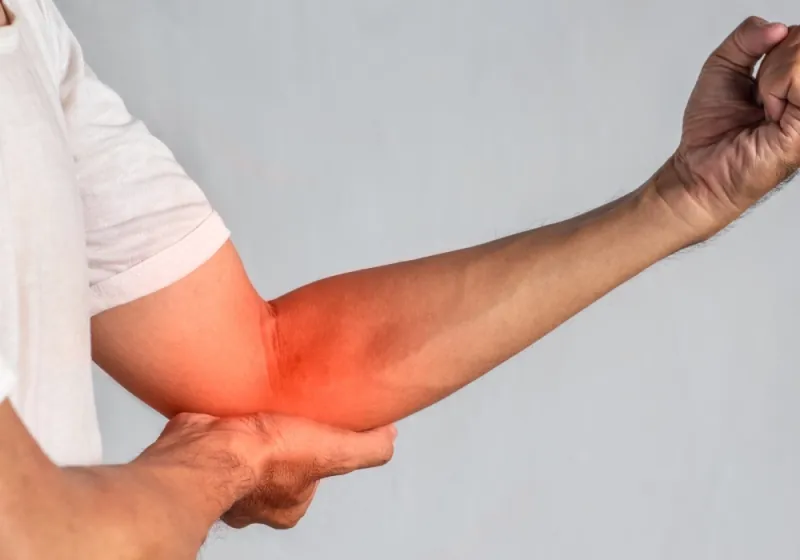
Golfer’s elbow is a common name for pain and irritation around the tendons that attach to the inside of the elbow. You may also hear it called medial epicondylitis (a tendinopathy). These tendons connect muscles in the forearm to the elbow and are involved in movements such as gripping, bending the wrist, and rotating the forearm.
Where pain stems from
When the area is repeatedly stressed without enough time to adapt or recover, it can become painful. The pain is usually felt along the bony area on the inside of the elbow, although it may also travel slightly down the forearm.
Where it affects golfers the most
For golfers, it may become noticeable during a swing or when gripping the club. For someone who does not golf, the exact same area can become irritated from things like lifting, using tools, strength training, gardening, or repetitive movements at work.
How Does it Develop?
Golfer’s elbow often develops gradually rather than from one obvious injury. You might start noticing a small ache after playing a round of golf or completing a workout. At first, it may disappear shortly afterward. If the same movement continues to place stress on the area, however, the discomfort can become more frequent and start affecting other activities.
Gripping the club too tight
In golf, gripping the club too tightly, changing your swing, suddenly playing more often, or repeatedly hitting the ground during a swing can all put extra stress through the forearm. But golf is only one example. Someone who spends hours using hand tools can experience similar strain.
Certain weightlifting movements
Weightlifting movements that involve repeated gripping can contribute as well. Even activities such as gardening or carrying heavy objects can become aggravating when the forearm is already irritated.
Often, the issue is not that one particular movement is “bad.” It is the combination of repetition, force, and how much recovery the area gets between activities.
What Is the Difference Between Golfer’s Elbow and Tennis Elbow?
Golfer’s elbow and tennis elbow sound very similar, and both involve tendons around the elbow.
The main difference is where the pain is located. Golfer’s elbow generally causes pain on the inside of the elbow.
How tennis elbow is different
Tennis elbow usually causes pain on the outside of the elbow. The movements that aggravate them can also be slightly different because different forearm muscles and tendons are involved.
The name isn’t specific to who can be injured
Neither condition is limited to the sport in its name. You can have golfer’s elbow without ever touching a golf club, just as you can develop tennis elbow without playing tennis.
Knowing where your pain is located can give you an idea of what might be happening, but elbow pain can have several causes. If the symptoms are persistent or you are unsure, an assessment is a better option than trying to diagnose yourself based only on the location.
How Long Does Golfer’s Elbow Take to Heal?
There is not one recovery timeline that applies to everyone. A mild case that has only recently started may settle more quickly once the aggravating activity is adjusted and the area is given a chance to recover. Symptoms that have been present for several months can take longer. Recovery also does not necessarily mean avoiding all activity until the pain disappears.
Recovery time
In many cases, gradually rebuilding forearm strength and tolerance is part of getting better. The challenge is finding the right amount of activity without repeatedly irritating the tendon. This is one reason two people with golfer’s elbow can have very different recovery experiences. Someone who catches it early may need a relatively simple plan, while someone who has continued playing through pain for months may require a more gradual return.
Recommended Resource: Do You Need a Referral for Physio in Ontario?
How to Avoid Golfer’s Elbow in the First Place
Prevention starts with paying attention to workload. If golf season has just started, going from barely swinging a club all winter to playing several rounds in one week can be a big jump for your arms. Gradually increasing how often you play or practice gives the muscles and tendons more time to adjust.
The same idea applies outside of golf. If you are starting a new workout program, taking on a renovation project, or doing something that involves far more gripping than usual, building up gradually can help.
If you golf, look into your swing
Golfers may also benefit from having their swing or equipment looked at if elbow pain keeps returning. Technique and grip can influence how much force travels through the forearm.
Focus on building strength
Strength matters too. Building strength through the wrist, forearm, shoulder, and upper body can help your arm tolerate the demands you place on it. And if your elbow starts becoming sore after an activity, do not automatically push through it for weeks, hoping it will disappear.
Symptoms and When to Be Careful
The most recognizable symptom of golfer’s elbow is tenderness or pain along the inside of the elbow. You might feel it when gripping something, making a fist, lifting an object, bending the wrist, or swinging a golf club. Some people also notice weakness in their grip or discomfort traveling into the forearm.
Note down when symptoms flare up or persist
Symptoms may initially only appear during a specific activity. As the irritation progresses, everyday tasks can start bothering the elbow too. There are also situations where it is worth getting the elbow assessed rather than assuming golfer’s elbow is the cause. Sudden severe pain after an injury, significant swelling, an inability to move the elbow normally, or symptoms that are getting noticeably worse should be checked. Numbness or tingling into the hand can also suggest that something other than simple tendon irritation may be involved. If pain has stuck around despite changing your activity and trying basic home care, that is another good reason to have someone look at it.
Common Exercises to Support Golfer’s Elbow
Exercise is commonly used as part of golfer’s elbow treatment because the goal is not simply to make the arm hurt less. You also want the muscles and tendons to become better able to handle the activities that caused the problem in the first place.
One option is a gentle forearm stretch.
With the elbow straight, the wrist can be slowly extended until a comfortable stretch is felt through the forearm. It should feel like a stretch, not sharp elbow pain.
Strengthen your wrists
Wrist strengthening is another common part of rehabilitation. A light dumbbell or resistance band may be used to gradually strengthen the muscles that bend the wrist. Grip exercises can eventually be useful too. Something as simple as squeezing a soft ball can challenge the hand and forearm, although how much resistance is appropriate will depend on how irritated the elbow is.
Shoulder & upper back exercises
Exercises involving the shoulder and upper back may also be included. Your elbow does not work by itself, and strength and movement elsewhere in the arm can influence how load is handled during golf, work, or exercise.
Make sure you’re progressing
The important part is progression. Choosing an exercise from the internet and immediately doing a large number of repetitions with a heavy weight can easily make an irritated elbow angrier. A physiotherapist can help determine where to start and how to progress as symptoms improve.
Recommended Resource: Do I Need My Own Equipment For My Physiotherapy Exercises?
When to See a Physiotherapist for Proper Treatment
If your elbow pain keeps returning, or has started affecting regular activities, physiotherapy can help you understand why it is happening.
The importance of an assessment for Golfer’s Elbow treatment
An assessment may look at your elbow and wrist movement, strength, grip, the activities that trigger your symptoms, and how much stress the arm is currently handling. Treatment can then be built around you rather than simply around the diagnosis.
For one person, the biggest issue may be suddenly playing far more golf than usual. Someone else may have adequate forearm strength but poor tolerance to repetitive lifting at work. Another person may have continued exercising around the injury for months and need a much more gradual return.
Personalized treatment for your personal injury
Your treatment plan may include strengthening, mobility work, changes to certain activities, education about managing pain, and a gradual plan for returning to golf or other activities. The goal is not simply to get you through one pain-free day. Ideally, treatment helps build the elbow back up so that it can handle what you want to do going forward.
Does Regular Massage Help With Golfer’s Elbow?
Massage therapy for Ontario residents can sometimes be a useful addition to a golfer’s elbow treatment plan, particularly when the muscles through the forearm feel tight or sore.
Massage may help reduce muscle tension and make the arm feel more comfortable while you are recovering. It generally does not replace the other parts of rehabilitation.
If a sudden increase in activity contributed to the problem, massage alone does not change how much you can tolerate.
Physio is usually the answer for long-term improvement
Strengthening, activity management, and gradually returning to normal movement are still important. This is why massage may work best as one part of a broader plan rather than being the solution.
Final Thoughts
Golfer’s elbow does not have to mean the end of your golf season, and it certainly is not an injury reserved only for golfers. Repetitive gripping, lifting, exercise, work, and plenty of everyday activities can all place stress on the same area.
Making some temporary changes to aggravating activities can help, but long term recovery often involves gradually rebuilding strength and giving the elbow a chance to tolerate those movements again.
If your elbow pain is sticking around or stopping you from doing the things you enjoy, the team at Amberlea Physiotherapy can assess what is contributing to your symptoms and help create a treatment plan that fits your activities and goals. Whether your goal is getting back onto the golf course or simply picking things up without thinking about your elbow every time, book an assessment with Amberlea Physiotherapy & Rehab Clinic.