Cupping vs Massage Therapy: Which is Right For You?
If you have ever looked into physio treatment options for muscle pain or tension, you have probably come across both cupping and massage therapy.
At first glance, they can seem similar, but they actually work in very different ways. Understanding those differences can make a big impact on your choice of what’s right for your body.
By the end of this guide, you will have a clear idea of how each treatment works, what they feel like, and when one might be better than the other.
Table of Contents
- What is Cupping Therapy?
- What Is Massage Therapy?
- Cupping vs Massage: Key Differences
- Session Length and Frequency
- Benefits of Cupping Therapy
- Who Should Not Get Cupping?
- Benefits of Massage Therapy
- Can You Combine Cupping and Massage?
- Cupping vs Massage: Which Treatment Is Best for You?
- Frequently Asked Questions
What is Cupping Therapy?
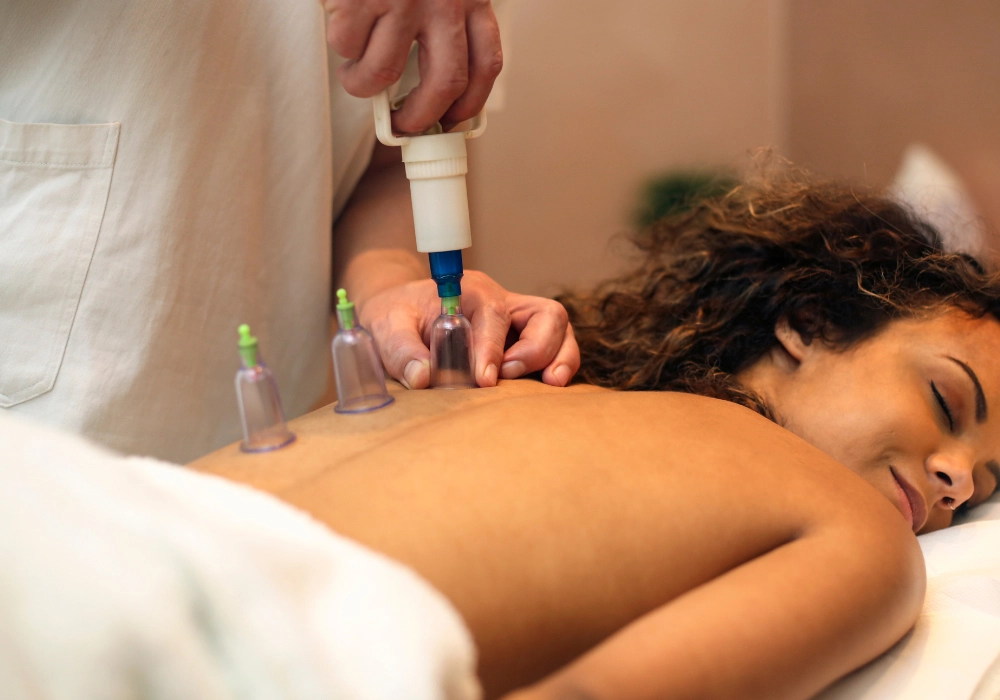
Cupping therapy is a treatment that uses suction to gently lift the skin and underlying tissue. Instead of pressing into the muscles as a massage does, cupping pulls the tissue upward. This creates space in the area and encourages blood flow to that specific spot. In a clinical setting like Amberlea Physiotherapy, cupping is usually done using either dry cupping or silicone cups.
Dry cupping involves placing cups on the skin and leaving them in place, while silicone cupping allows the therapist to glide the cups along the muscle for a more dynamic treatment. One thing that surprises people is that cupping is rarely used completely on its own. It is often part of a larger treatment plan, combined with massage or other physiotherapy techniques, depending on what your body needs that day.
What Is Massage Therapy?
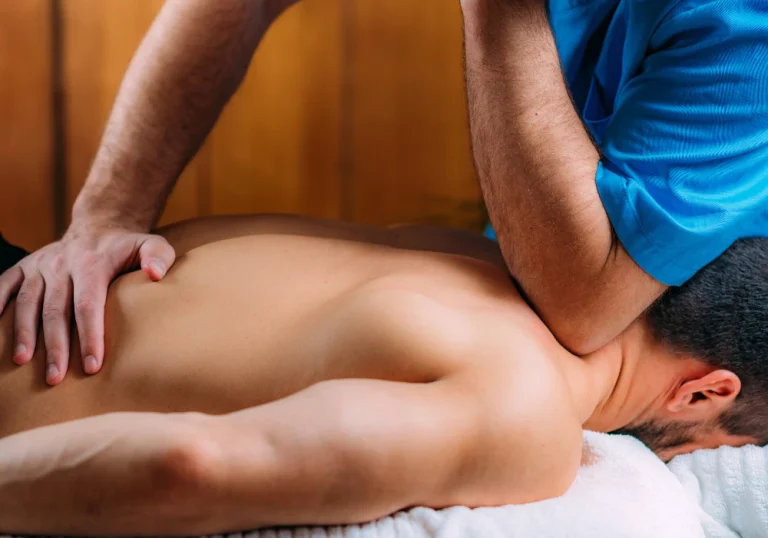
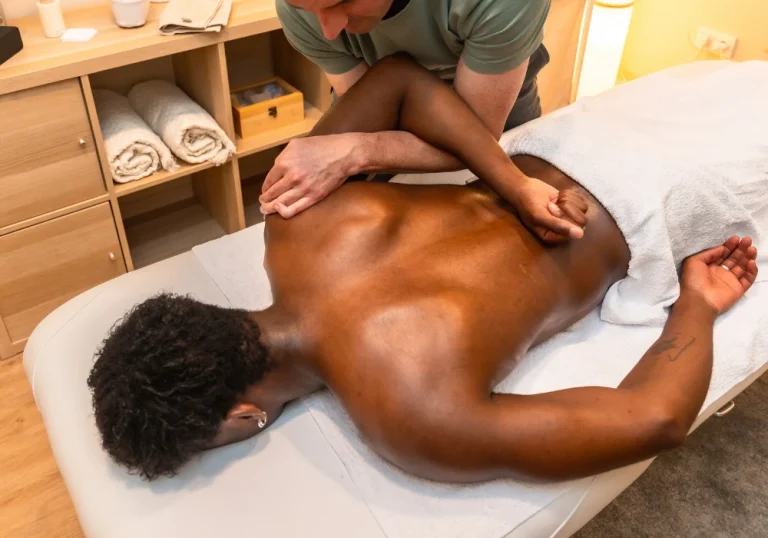
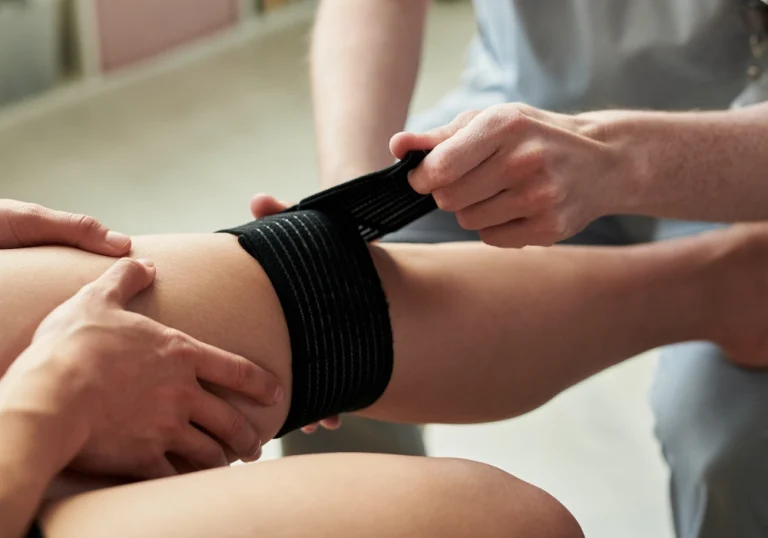
Massage therapy is probably what most people are already familiar with. It involves techniques like kneading, pressing, and manipulating muscles and soft tissue.
The goal is usually to reduce tension, improve circulation, and help the body relax. There are also different types of massage, and it is definitely not one size fits all. Some of the more common types include deep tissue massage and sports massage.
Each one has a slightly different focus, whether that is relaxation, recovery, or working through specific muscle tightness. At Amberlea, massage therapy is often specific to the individual, meaning your session might be more focused on one area or more full body, depending on your goals.
Recommended Resource: RMT vs Non-RMT Massage: What’s the Difference in Ontario?
Cupping vs Massage: Key Differences
The biggest difference comes down to how each treatment interacts with your muscles. Massage works through compression. The therapist applies pressure downward into the tissue to release tension and improve movement. Cupping works through decompression. The suction lifts the tissue, helping separate layers of muscle. This is why people often say cupping feels like the opposite of massage. This difference is actually really important because some types of tension respond better to lifting rather than pressing.
Massage usually feels like pressure and movement. Depending on the style, it can range from light and relaxing to deeper and more intense. Cupping feels more like a pulling or tight sensation. It should not be painful, but it can feel different if you have never experienced it before. You might also notice circular marks after a cupping session. These can look like bruises, but they are not actually bruises. They are just a result of increased blood flow to the area and usually fade within a few days.
Cupping tends to be more targeted. It is often used for deep muscle knots or areas that have not responded well to massage alone. It can be especially helpful for chronic tension that keeps coming back. Massage is broader. It is great for general relaxation, stress relief, improving circulation, and overall muscle tension across larger areas of the body. A lot of clients at Amberlea actually end up using both, depending on what they are dealing with.
Session Length and Frequency
Massage therapy sessions usually range from about 30 to 90 minutes. The length depends on whether you are focusing on one area or doing a full body treatment. Cupping, on the other hand, is often included within a session rather than booked as a standalone service. A therapist might use cupping for a portion of your appointment and then combine it with massage or other techniques. In terms of frequency, it really depends on your goals. Some people come in regularly for maintenance, while others come in on a more short-term basis to deal with a specific issue. At Amberlea, therapists typically help guide you on what makes the most sense after your first visit.
Benefits of Cupping Therapy
Cupping has become more popular over the years, especially for people dealing with deeper or more stubborn tension. Some of the main benefits include increased circulation to specific areas, relief from deep muscle tightness, and support during injury recovery. It is not a magic fix, but it can be a really useful tool when combined with other treatments. That is why clinics like Amberlea often include it as part of a broader approach instead of using it alone.
Who Should Not Get Cupping?
Cupping is not for everyone, and it is important to be aware of that. It is generally not recommended for people who are pregnant, have active skin conditions like eczema or psoriasis, have bleeding or clotting disorders, or have certain cardiovascular conditions. If you are unsure, your therapist will go over this with you. At Amberlea, they take the time to make sure the treatment is safe and appropriate before starting anything.
Benefits of Massage Therapy
Massage therapy has a wide range of benefits, which is why it is one of the most common treatments people book. Some of the key benefits include muscle relaxation, improved circulation, reduced stress and anxiety, pain management for chronic conditions, and better sleep and overall mental well-being.
For a lot of people, massage is not just about physical relief. It is also one of the few times they actually slow down and let their body reset a bit.
Recommended Resource: Athletic Therapy vs Physiotherapy: Guide for New Patients
Can You Combine Cupping and Massage?
Yes, and this is actually very common. Cupping and massage work really well together because they approach the body in opposite ways. One lifts and creates space, while the other works through pressure and movement. For example, a therapist might use cupping to loosen a very tight area and then follow up with massage to further release the muscle and improve circulation.
At Amberlea, this combined approach is something many clients end up preferring, especially if they have ongoing tension or injuries that need a bit more attention.
Cupping vs Massage: Which Treatment Is Best for You?
There is no one answer here. If you are dealing with deep, stubborn tightness or specific problem areas, cupping might be a good option. If you are looking for overall relaxation, stress relief, or general muscle tension, massage is usually the better starting point.
Most people benefit from a mix of both over time. If you are not sure where to start, clinics like Amberlea can really help. They can assess what is going on and guide you toward the right treatment without you having to guess.
Recommended Resource: What’s The Difference Between Physiotherapy and Physical Therapy?
Frequently Asked Questions
Is cupping better than massage?
Neither is better overall. They just do different things. Cupping is more targeted, focusing on lifting and decompressing tissue, while massage is broader, focusing on pressure and relaxation.
Does cupping hurt?
Cupping should not be painful when done properly. It can feel tight or strange at first, but most people adjust quickly. The marks left behind are normal and fade within a few days.
Can cupping and massage be done in the same session?
Yes, and they often are. Combining both can sometimes give better results than using just one on its own.
Is massage therapy covered by insurance?
In many cases, yes. Registered Massage Therapy is often covered, or partially covered, under extended health plans. It is always best to check with your provider for the details of your coverage.
How do I know which treatment to book at Amberlea?
Amberlea offers a free 15-minute consultation. This gives you a chance to talk through what you are experiencing and get a recommendation before booking a full session.
How often should I get cupping or massage? It really depends on your body and your goals. Some people come in weekly, others monthly, and some just when something comes up. After your first session, your therapist can suggest a plan that fits your situation.
Book Your Treatment at Amberlea
At the end of the day, both cupping and massage have their place. They just approach the body differently, and sometimes the best results come from using them together.
If you are in the Pickering area and trying to decide where to start, Amberlea Physiotherapy offers both treatments and can help guide you in the right direction.
Whether you are dealing with ongoing tension or just looking to feel a bit better overall, starting with a conversation is usually the easiest first step. Contact Us Today to book you free 15-minute consultation.